
 Login
Login Sign Up


Invited Speakers
 Presidential Lecture
-
 Speaker Colorectal cancer screening: seasons of change Lawrence Kim President of American Gastroenterological Association, USA
Symposium GI Oncology-2
Shaping the Future of Early GI Cancer Detection
-
 Speaker AI-enhanced diagnosis of early gastric cancer Soo-Jeong Cho Seoul National University, Korea
 -
 Speaker Beyond FIT: advances in stool multi-omics for CRC screening Wai-Keung Leung University of Hong Kong, Hong Kong
 -
 Speaker Unveiling the invisible in early diagnosis of pancreatic cancer Keiji Hanada Onomichi General Hospital, Japan
 -
 Speaker Approaches to colorectal cancer screening in individuals with IBD Yanbo Yu Shandong University, China
Symposium Liver-2
Risk Stratification and Evolving Therapeutic Strategies in MASLD
-
 Speaker Integrating clinical risk factors and non-invasive tests in MASLD management Shang-Chin Huang National Taiwan University, Taiwan
 -
 Speaker Genetic determinants and novel biomarkers for risk prediction in MASLD Won Sohn Sungkyunkwan University, Korea
 -
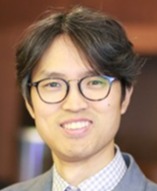 Speaker Recent progress and future directions in pharmacologic management of MASLD Sang Bong Ahn Eulji University, Korea
 -
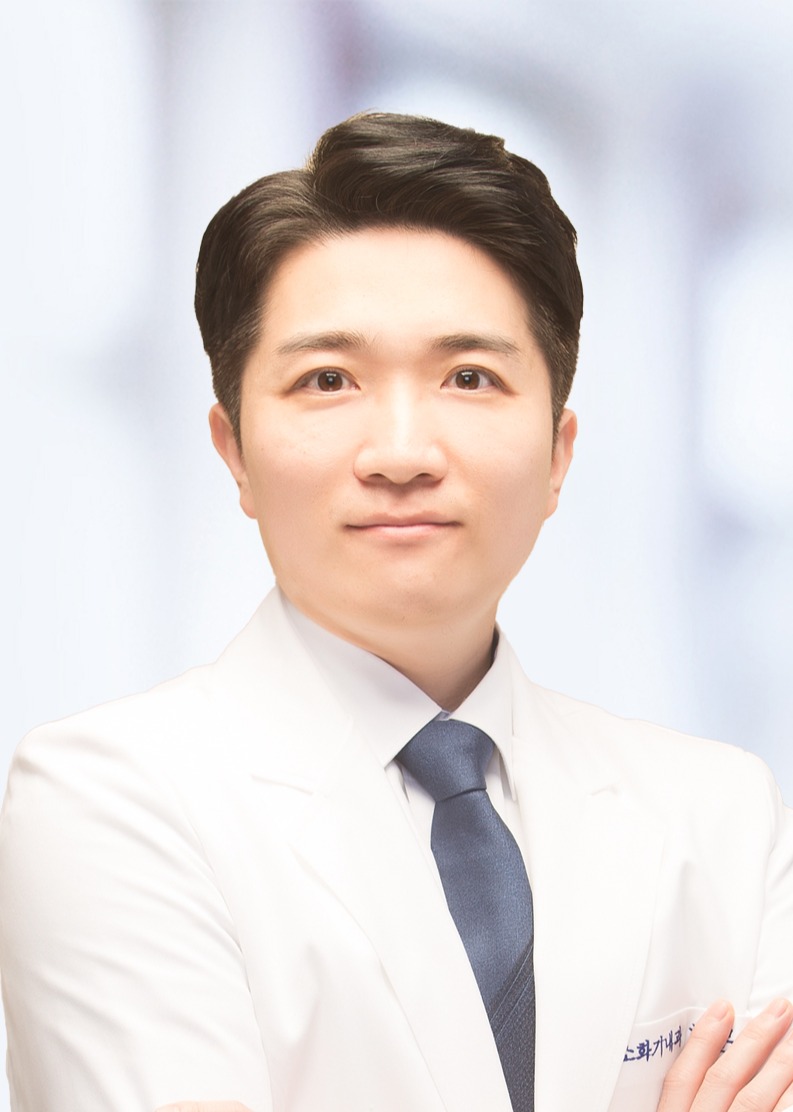 Speaker Substantial liver-related risks in DM-MASLD despite low fatty liver index: results from two nationwide cohort studies Moon Haeng Hur Seoul National University, Korea
PG Course - FGID/Motility
Current Trends in Functional Gastrointestinal Disorders
-

-

-

-
 Speaker Clinical application of Seoul consensus for IBS Yonghoon Choi Seoul National University, Korea
KSG-GEST Joint Symposium
The Next Frontier: AI-Powered Diagnosis and Treatment
-
 Speaker AI-powered real-time detection of gastric cancer Chang Seok Bang Hallym University, Korea
 -
 Speaker AI-assisted analysis for precision diagnosis of esophageal neoplasms Chu-Kuang Chou Chia-Yi Christian Hospital, Taiwan
 -
 Speaker AI for ESD strategy in gastric cancer: predicting depth of invasion Chien-Chuan Chen National Taiwan University Hospital, Taiwan
 -
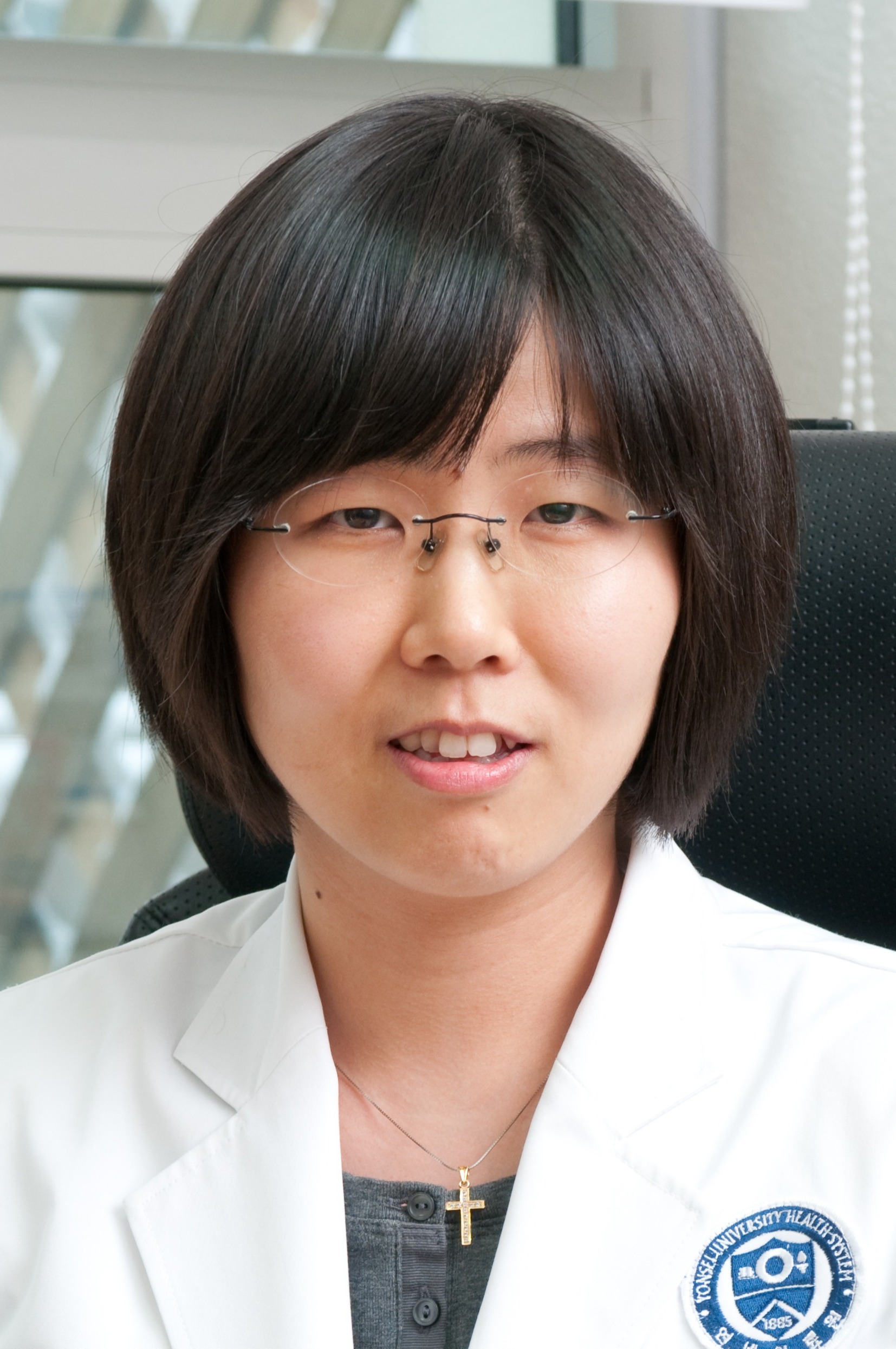 Speaker AI for risk stratification and outcome improvement in gastric cancer Jie-Hyun Kim Yonsei University, Korea
KMA Mandatory Session
디지털 시대의 의료윤리 및 소화기 영역의 의료분쟁
Medical Ethics in the Digital Era and Medical Disputes in the Field of Gastroenterology
-
 Speaker 의료윤리 관점에서 보는 Big data 사용에 대한 문제점
Issues concerning the utilization of big data from the perspective of medical ethics So Young Yoo University of Ulsan, Korea -
 Speaker 생성형 AI를 이용한 논문 작성에 대한 윤리적 문제
Ethical challenges of using generative AI in research and publication Dong Hoon Baek Pusan National University, Korea -
 Speaker 소화기내과 영역 의료분쟁 조정 사례 분석
Review of mediated medical dispute cases in gastroenterology Hyun Lim Hallym University, Korea -
 Speaker 법원 판례 분석을 통한 소화기내과 영역의 의료분쟁 예방 전략
Strategies for preventing medical disputes in gastroenterology Dong Pil Lee Uisung Lawfirm, Korea
Symposium FGID/Motility-2
Functional Dyspepsia 2026: From Pathophysiology to Management
-
 Speaker Decoding FD: from intestinal permeability to gut–brain interaction Hiroto Miwa Hyogo College of Medicine, Japan
 -

-

Symposium Lower GI-2
Optimization of Diagnosis and Treatment of Colorectal Neoplasia
-
 Speaker Diagnosis and treatment strategies for colorectal subepithelial lesions Jun Lee Chosun university, Korea
 -
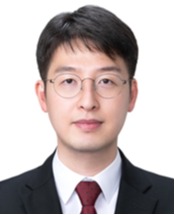 Speaker AI in colorectal neoplasia: current and future applications Seung Wook Hong University of Ulsan, Korea
 -
 Speaker Evolution of advanced ESD: traction, underwater, pocket, and hybrid methods Ken Ohata NTT Medical Center Tokyo, Japan
PG Course - Liver
Current Perspectives and Future Directions in Chronic Viral Hepatitis
-
 Speaker Patient selection and clinical outcomes of nucleos(t)ide analogue discontinuation in chronic hepatitis B Gi-Ae Kim Kyung Hee University, Korea
 -
 Speaker Updates on novel therapeutic approaches for chronic hepatitis B Won-Mook Choi University of Ulsan, Korea
 -
 Speaker HDV management in HBV-infected patients: clinical practice updates Dong Hyun Shin Sungkyunkwan University, Korea
UEG Educational Symposium
Practical Approaches to the Treatment of IBD
-
 IBD in 2026: where are we and future directions Ignacio Catalan-Serra AHUS University Hospital, Norway
 -
 The landscape of advanced therapies for IBD: understanding the toolkit Byong Duk Ye University of Ulsan, Korea
 -
 Speaker,Panel Personalized medicine in IBD: how to choose the right therapy? Klaartje Bel Kok Queen Mary University of London, United Kingdom
 -
Tips and tricks to optimize conventional therapy for IBD Ignacio Catalan-Serra AHUS University Hospital, Norway
-
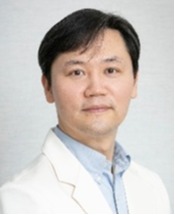 Speaker,Panel Anti-TNF failure: what to do next? ulcerative colitis Sung Noh Hong Sungkyunkwan University, Korea
 -
Speaker,Panel Anti-TNF failure: what to do next? Crohn's disease Klaartje Bel Kok Queen Mary University of London, United Kingdom
-

-
-
Satellite Symposium-5
HK inno.N
Satellite Symposium-6
Celltrion Pharm
-
Panel Expanding the role of Remsima SC: a new paradigm in IBD care Hyuk Yoon Seoul National University, Korea
Satellite Symposium-7
Korea Otsuka Pharmaceutical
-
 Speaker Distinctive features of rebamipide in clinical applications for the GI tract Seung In Seo Hallym University, Korea
Satellite Symposium-8
Daewoong (2)
-
 Speaker Real-world practice of bowel preparation with CLEANCOL (20-tablet regimen): from phase 3 clinical evidence to diverse case reviews Su Bum Park Pusan National University, Korea
Symposium Lower GI-3
Key Issues in Nutrition for Lower GI Diseases: Insights from Various Perspectives
-

-
 Speaker Issues in nutrition for aspects of colorectal neoplasm Seong Ran Jeon Soonchunhyang University, Korea
 -
 Speaker Issues in nutrition for aspects of pediatrics and adolescents Seo-Hee Kim Chonnam National University, Korea
Educational Session-1
Liver, PB, GI Oncology
-

-
 Speaker ERCP in practice: from indications to managing complications Kyong Joo Lee Hallym University, Korea
 -
 Speaker Tailored therapeutic strategies for nutritionally vulnerable patients with GI cancer Yun Jeong Lim Dongguk University, Korea
KSG-GEST Young Investigator Academy
Free Paper
-
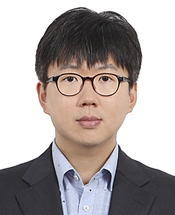 [KSG] Sex disparity in hepatocellular carcinoma survival: machine learning-based identification of clinical conditions maximizing female advantage Ji Won Han The Catholic University of Korea, Korea
PA Education Session-I
From the Shadows into the Light
-
 Speaker PA 업무와 교육의 글로벌 경향
Global trend for PA profession and education Sang Wook Park Yonsei University Wonju, Korea -
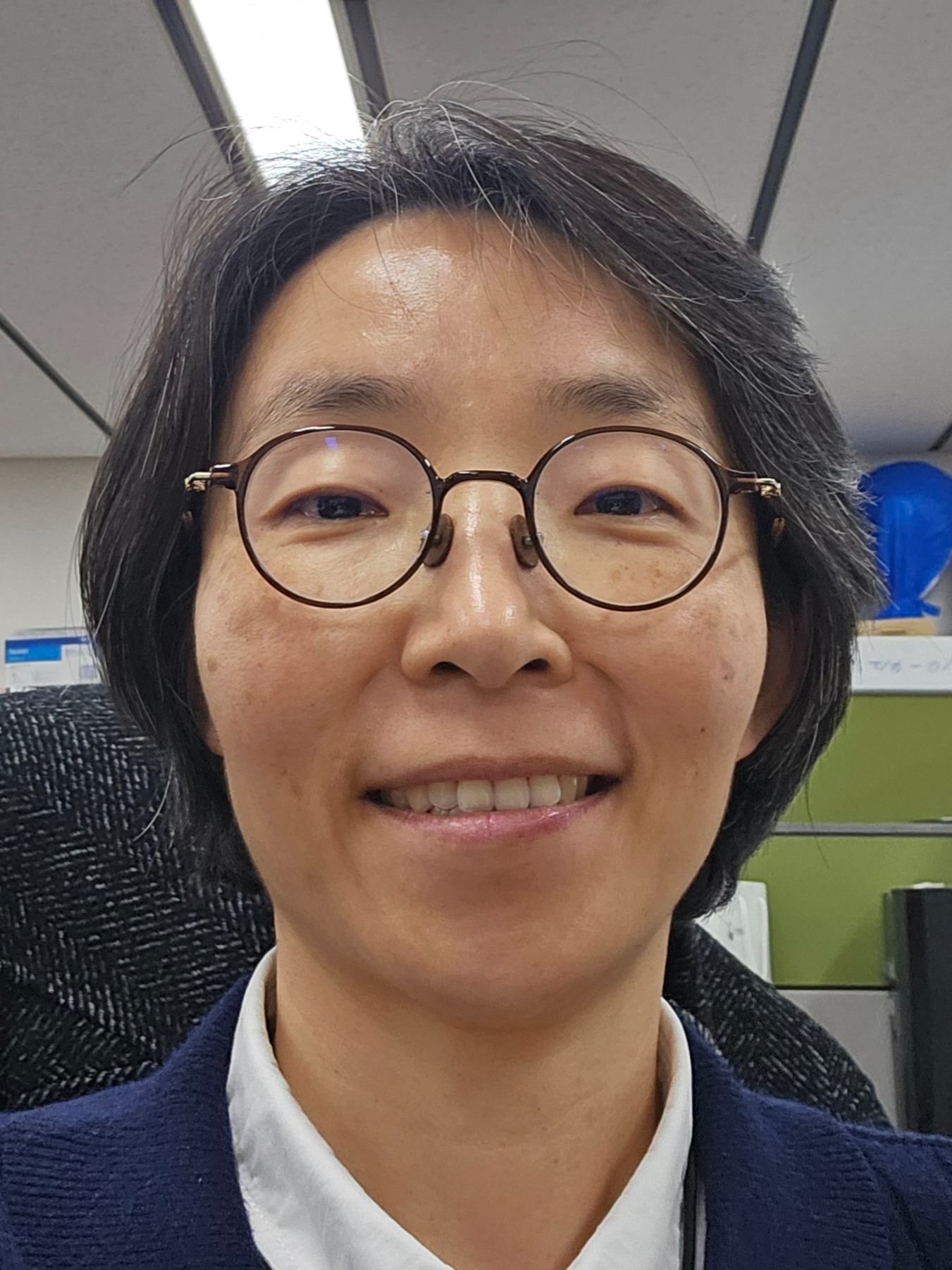 Speaker 국내 PA 제도의 현황
Current status of the PA system in Korea Jin Seon Choi Ministry of Health and Welfare, Korea -
 Speaker 국내 PA 교육의 발전 방향: 간호사 관점
Future direction of PA education in Korea: a nurse's perspective Su Jung Choi Sungkyunkwan University, Korea -
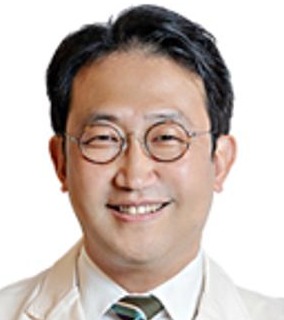 Speaker 국내 PA 교육의 발전 방향: 의사 관점
Future direction of PA education in Korea: a physician's perspective Euysuk Chung Kangbuk Samsung Hospital, Korea
Symposium Pancreatobiliary-2
Navigating Biliary Strictures: From Imaging to Molecular Diagnosis and Therapeutic Innovation
-
 Speaker Imaging frontiers: redefining the characterization of indeterminate strictures Eun Sun Lee Chung-Ang University, Korea
 -
 Speaker Endoscopic and molecular diagnosis: illuminating the ductal landscape from macro to micro Wen-Hsin Huang China Medical University, Taiwan
 -
 Speaker Endoscopic treatment: navigating beyond drainage to definitive management Jae Min Lee Korea University, Korea
Symposium Upper GI-3
Emerging Clinical Insights in Gastritis
-
 Speaker Autoimmune gastritis after helicobacter pylori infection: clinical implications and diagnostic challenges Marco Vincenzo Lenti University of Pavia, Italy
 -
 Speaker Gastritis in the post-H. pylori era: redefining etiology and clinical practice Sun-Young Lee Konkuk University, Korea
 -
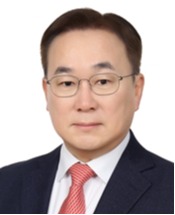 Speaker Autoimmune gastritis in Korean patients with gastric tumors Jun Haeng Lee Sungkyunkwan University, Korea
 -
 Speaker Non-helicobacter infectious gastritis: emerging etiologies and diagnostic pitfalls Ayoung Lee Korea University, Korea
Educational Session-2
Upper GI, Lower GI, FGID/Motility
-
-
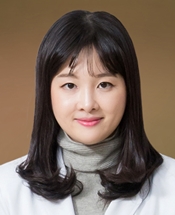
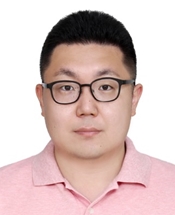 Speaker Mastering bowel preparation for high-quality colonoscopies Jinook Jang Pusan National University, Korea
 -
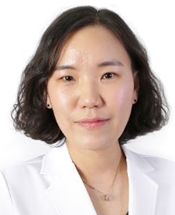
MDT Session-2: Combined HCC-CC
Optimal management strategy for Combined HCC-CCA
-
 Speaker Challenges in pathologic differentiation for cHCC-CCA Haeryoung Kim Seoul National University, Korea
 -

-
 Speaker Case presentation I: hepatology-driven therapeutic strategies for cHCC-CCA Wonseok Kang Sungkyunkwan University, Korea
 -
 Speaker Case presentation II: biliary-oncology perspective therapeutic approaches for cHCC-CCA Jaihwan Kim Seoul National University, Korea
PA Education Session-Ⅱ
Key Point Lecture for PA
-
 Speaker PA를 위한 입원 환자 관리 교육
Inpatient care education for Pas Jongchan Lee Seoul National University, Korea -
 Speaker PA를 위한 간질환 및 관련 시술 후 관리 교육
Education on liver diseases and post-procedural care for Pas Jae Hyun Yoon Chonnam National University, Korea -
 Speaker PA를 위한 췌담도질환 및 관련 시술 후 관리 교육
Education on pancreatobiliary diseases and post-procedural care for Pas Yeong Heon Han Gachon University, Korea -
 Speaker PA를 위한 위장관질환 및 관련 시술 후 관리 교육
Education on gastrointestinal diseases and post-procedural care for PAs Su Young Kim Yonsei University Wonju, Korea
Abdominal US
Training for Beginners and Residents
-
 Speaker First steps in abdominal ultrasound examination Woo Sun Rou Chungnam National University, Korea
 -

-

-

Abdominal US
Training for Specialists 1
-
 Speaker Abdominal ultrasound training in new hospital settings Jeong Eun Song Daegu Catholic University, Korea
 -

-
 Speaker Quantification of liver fat by ultrasound fat fraction and CAP Ho Soo Chun Ewha Womans University, Korea
 -
 Speaker Assessment of portal hypertension using abdominal Ultrasound Jun Sik Yoon Inje University, Korea
Abdominal US
Training for Specialists 2
-
 Speaker Resident training with point-of-care ultrasound (POCUS) Tae-Suk Kim Kangwon National University, Korea
 -
 Speaker Radiofrequency ablation (RFA): principles and practice Soo Young Park Kyungpook National University, Korea
 -
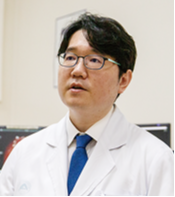 Speaker Intestinal ultrasound for IBD diagnosis and follow-up Sung Wook Hwang University of Ulsan, Korea
 -
 Speaker Radiologic diagnosis and interpretation in the AI era: emerging techniques Young Jae Kim Gachon University, Korea
Lawrence Kim (President of American Gastroenterological Association, USA)

Lawrence S. Kim, MD, AGAF, is the 120th President of the American Gastroenterological
Association (AGA) Institute for the 2025–2026 term. He officially began his presidency on May 28,
2025, succeeding Dr. Maria T. Abreu. As president, Dr. Kim has focused on several core
initiatives: 1) Inclusivity: Promoting a "message of inclusivity" for all gastroenterologists, regardless
of work setting (academic vs. private practice), 2) Independent Practice Advocacy: Supporting the
viability of independent GI practices and advocating for issues like Medicare reimbursement and
prior authorization reform. 3) Innovation: Strengthening the AGA's GI Opportunity Fund and venture
capital initiatives to invest in new technologies.
It is highly exceptional for a Korean-American physician to serve as President of the AGA, and
President Kim’s lecture will undoubtedly resonate deeply with our Korean gastroenterologists and
the broader audience. His talk, drawing on his career-long perspective on the evolution of
colorectal cancer screening and how our field continues to adapt, will deliver an inspiring and
timely message in Korea.
This lecture will provide an inspiring and timely message, offering valuable insights for
gastroenterologists, clinicians, and researchers seeking to stay at the forefront of colorectal
cancer prevention and care. Don’t miss this unique opportunity to learn from a global leader in
gastroenterology and colorectal cancer screening.
Yong Chan Lee (Chairman of Korean Society of Gastroenterology, Korea)
Yong Chan Lee, the chairman of the Korean Society of Gastroenterology (KSG), is a distinguished
gastroenterologist and academic leader in Korea, with extensive contributions to clinical practice,
research, and scholarly publishing in gastroenterology. He currently serves as Chairman of the
Korean Society of Gastroenterology and President of the Korean Society of Upper Gastrointestinal
Disorders and Helicobacter Research. Professor Lee also plays a key role in academic publishing
as Editor-in-Chief of Gut and Liver (SCIE-indexed journal) and as an editorial board member of
the Journal of Gastroenterology and Hepatology (SCI). In addition, he serves as Editorial Director
of the Korean Society of Neurogastroenterology and Motility, contributing to the advancement of
research and education in gastrointestinal motility disorders. Through his leadership in professional
societies and international journals, Professor Lee has significantly influenced the development of
gastroenterology research and clinical standards both in Korea and globally.
In this lecture, Professor Lee will explore the complex interplay between chronic inflammation, the
gastric microbiome, and gastric carcinogenesis, offering cutting-edge perspectives on disease
mechanisms and future clinical implications. Drawing on his extensive research experience and
leadership in international gastroenterology, this session promises to deliver valuable insights for
clinicians and researchers alike.
Do not miss this opportunity to gain a deeper understanding of the evolving role of the microbiome
in gastric cancer and its impact on prevention, diagnosis, and therapeutic strategies.
